Servo Motor Stator and Rotor Core Design and Performance Optimization
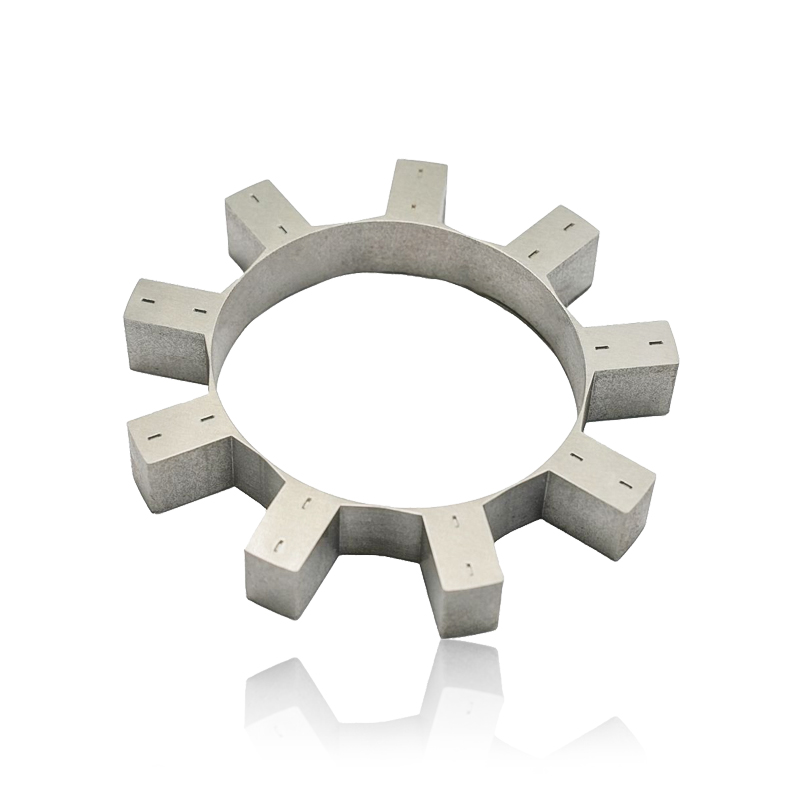
As a professional enterprise with over two decades of deep cultivation in the field of motor stator and rotor manufacturing, Zhejiang Jufeng Technology Co., Ltd. has a profound understanding of the design essence of servo motor core components—the stator and rotor cores. We not only excel in the precision manufacturing of traditional processes but also integrate innovative design concepts into every detail of each lamination and core, aiming to optimize the overall performance of servo motors from the source. In the design optimization of servo motor cores, slot shape and slot fill factor are two critical parameters that directly influence the motor's magnetic properties, torque ripple, efficiency, and noise level.
1. Optimization of Servo Motor Core Slot Shape
Servo motors are renowned for their high precision, dynamic response, and wide speed range. Their smooth operation and precise control largely depend on the uniformity of their torque. The design of the slot shape is the key to solving this problem.
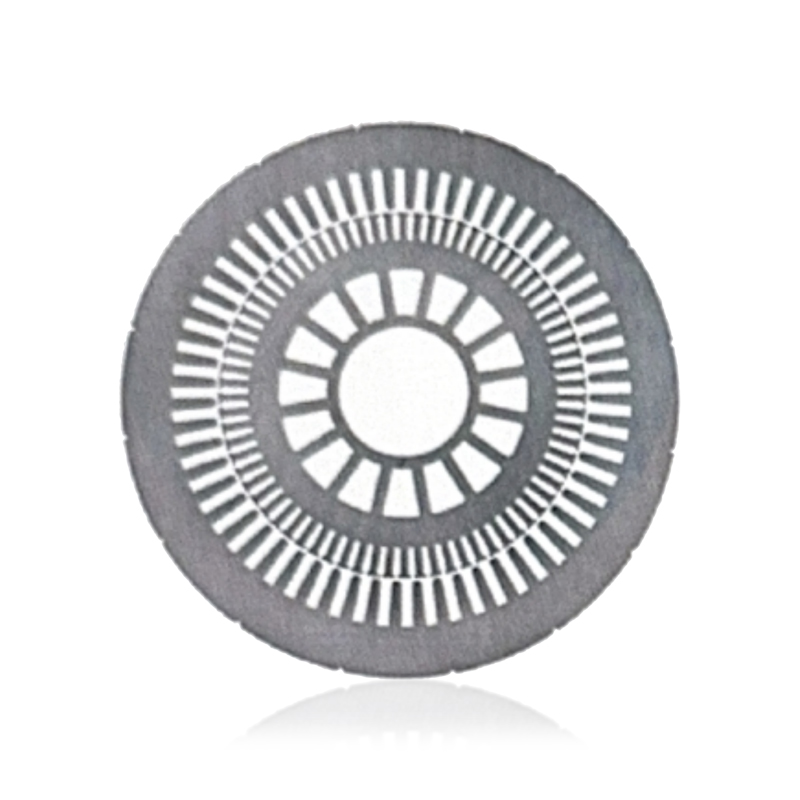
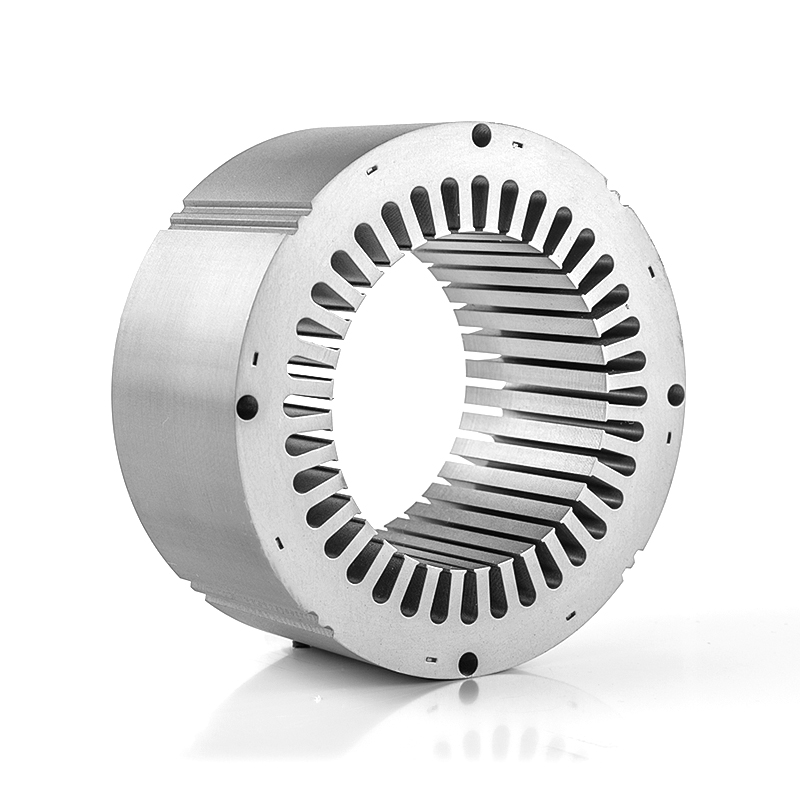
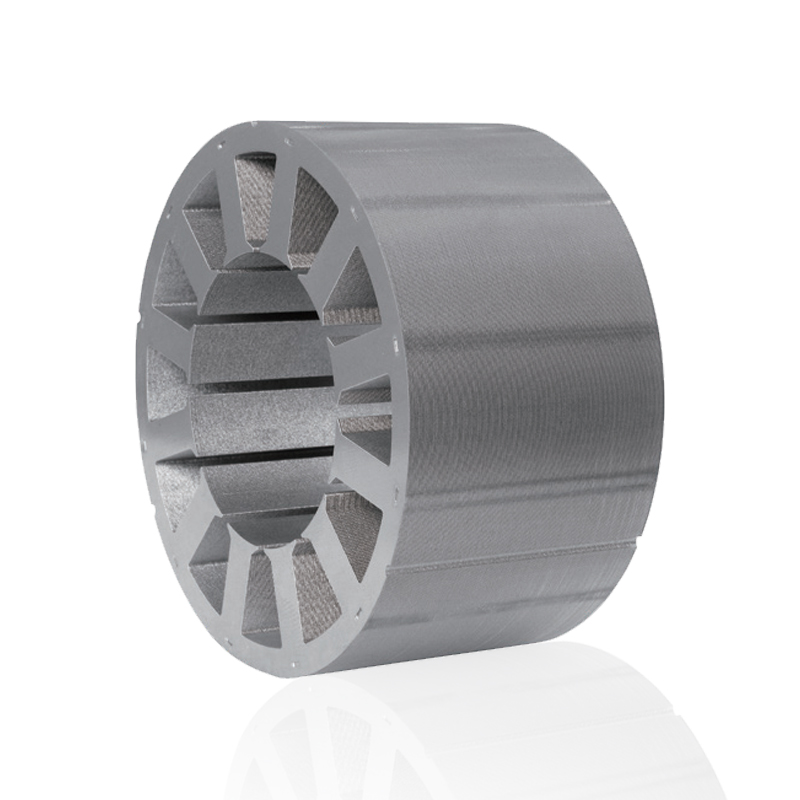
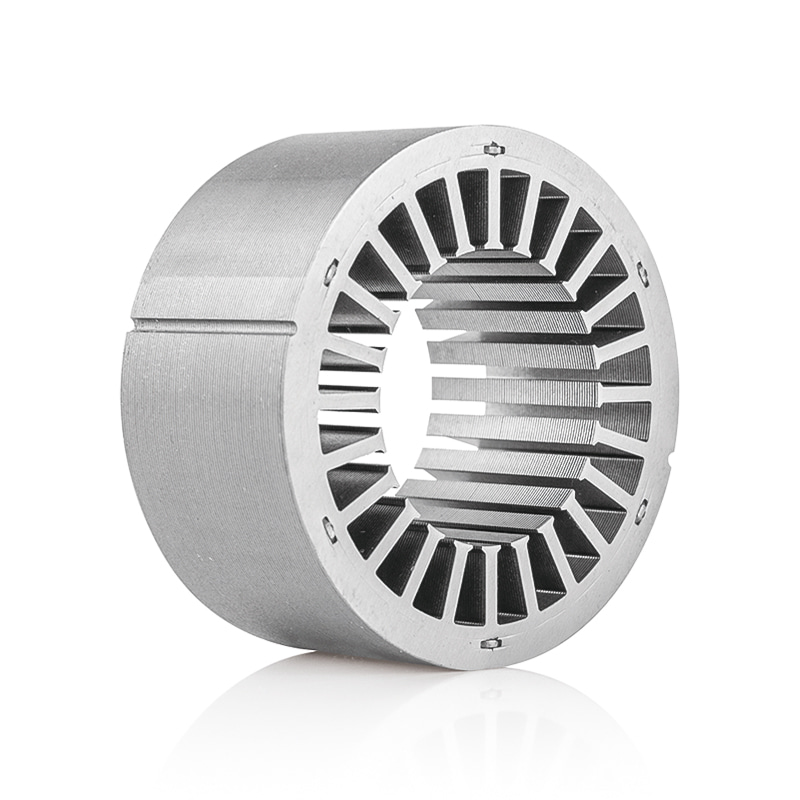
Minimization of Cogging Torque: Cogging torque is a reluctance torque caused by the relative position change between the stator and rotor. It is generated when the motor is de-energized and affects the servo motor's low-speed smoothness and positioning accuracy. Jufeng Technology employs various innovative slot shapes in the design of servo motor cores to effectively suppress cogging torque. We use a skewing design, precisely controlling the skew angle to ensure that the cogging torque at each position cancels each other out, significantly reducing the total cogging torque. At the same time, by using asymmetric slot openings or unequal tooth widths, we can disrupt the regularity of the magnetic reluctance cycle, dispersing the torque ripple over a wider frequency range and thus reducing its peak. Additionally, we work closely with our clients to optimize the slot opening shape, such as using semi-closed slots, to achieve a balance between performance and manufacturability while meeting the requirements of the winding process.
2. Optimization of Servo Motor Core Slot Fill Factor
The slot fill factor, which is the ratio of the cross-sectional area of the winding wires to the slot's cross-sectional area, is an important parameter influencing motor power density and efficiency. Increasing the slot fill factor effectively reduces motor size, lowers copper losses, and improves efficiency.
Refined Utilization of Winding Space: A high slot fill factor is crucial for achieving high power density in servo motor design. Jufeng Technology optimizes the core structure by designing smoother, more regular slot shapes, allowing wires to be packed more tightly. We use advanced CAD/CAM technology for slot shape simulation to ensure that every inch of space is utilized effectively. Furthermore, we engage in deep technical communication with clients at the beginning of product development to jointly determine the optimal stator stack thickness and slot depth ratio, ensuring excellent magnetic properties while improving the slot fill factor.
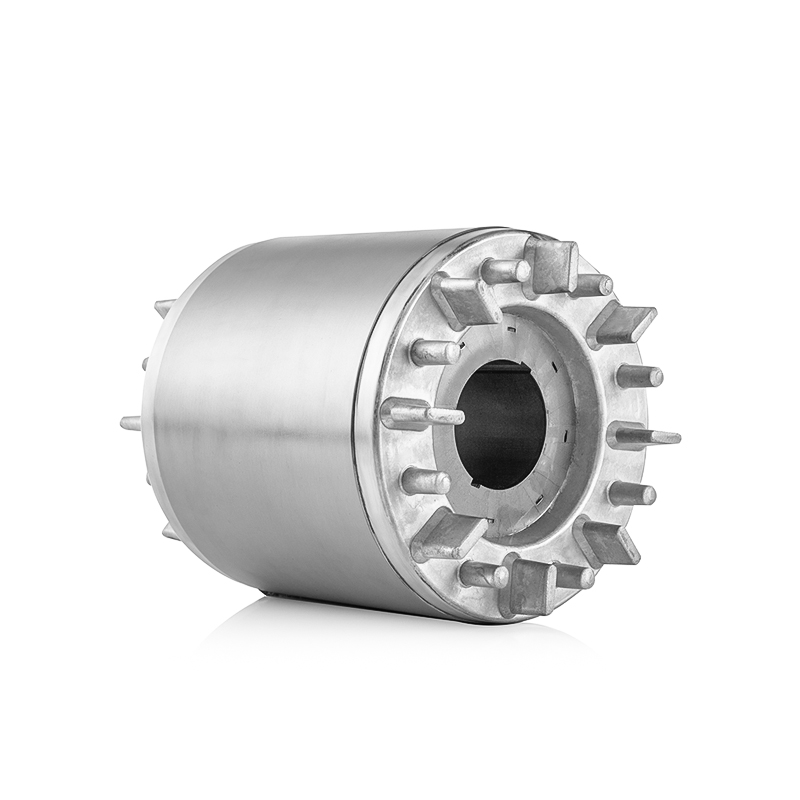
Casting Rotor and Slot Shape Coordination: For our core products, the cast aluminum and cast copper rotors, the concept of slot fill factor translates to the effective conductive area of the rotor slots. By optimizing the rotor slot shape and casting process, we ensure that the cast material (aluminum or copper) forms a uniform, porosity-free conductive path in the slots, thereby reducing rotor losses and increasing motor efficiency.
| Parameter |
Standard Design |
Jufeng's Optimized Design |
Improvement |
| Cogging Torque |
2% of Peak Torque |
< 0.5% of Peak Torque |
Significantly reduced, enabling smoother low-speed operation |
| Power Density |
1.0 kW/kg |
Up to 1.5 kW/kg |
50% increase, allowing for smaller, lighter motors |
| Efficiency |
90% |
> 94% |
> 4% increase, leading to lower energy consumption |
| Noise Level |
70 dB |
< 65 dB |
Reduced, creating quieter running motors |
| Manufacturing Tolerance |
±0.05 mm |
±0.02 mm |
Enhanced precision, ensuring consistent product performance |
Precision stamping is a core process in the manufacturing of servo motor stator and rotor cores, and its quality directly determines the motor's performance, efficiency, and reliability. Zhejiang Jufeng Technology Co., Ltd. is well aware of the unique challenges in this field and has successfully overcome the following core difficulties:
1. Ultra-high Precision and Durability of Molds
Servo motors have extremely high requirements for the geometric precision of their stator and rotor cores, which directly depends on the design and manufacturing of the precision stamping molds.
Dimensional Accuracy and Tolerance Control: The cutting clearance of the mold and the fit between the punch and die must be controlled at the micron level. Jufeng Technology possesses independent R&D and manufacturing capabilities for precision molds and, combined with an advanced online monitoring and feedback system, ensures the dimensional accuracy and consistency of every lamination.
Mold Material and Heat Treatment: We select mold steel with high hardness and toughness and subject it to precise heat treatment to ensure the mold maintains its initial precision under high-intensity production.
Mold Life Management: We extend mold life through regular maintenance, precise wear monitoring, and optimized mold structure design.
2. Material Properties and Burr Control
The silicon steel sheets used for servo motor cores have high magnetic permeability and low iron loss, but they also present special challenges during the stamping process.
Precise Burr Control: The presence of burrs can affect the core's stacking factor and increase eddy current losses. Jufeng uses a series of innovative technologies to control burrs, including optimizing mold cutting edge angles, clearances, and stamping speed, to keep burr height within a minimal range.
3. Stacking Process and Stacking Factor Control
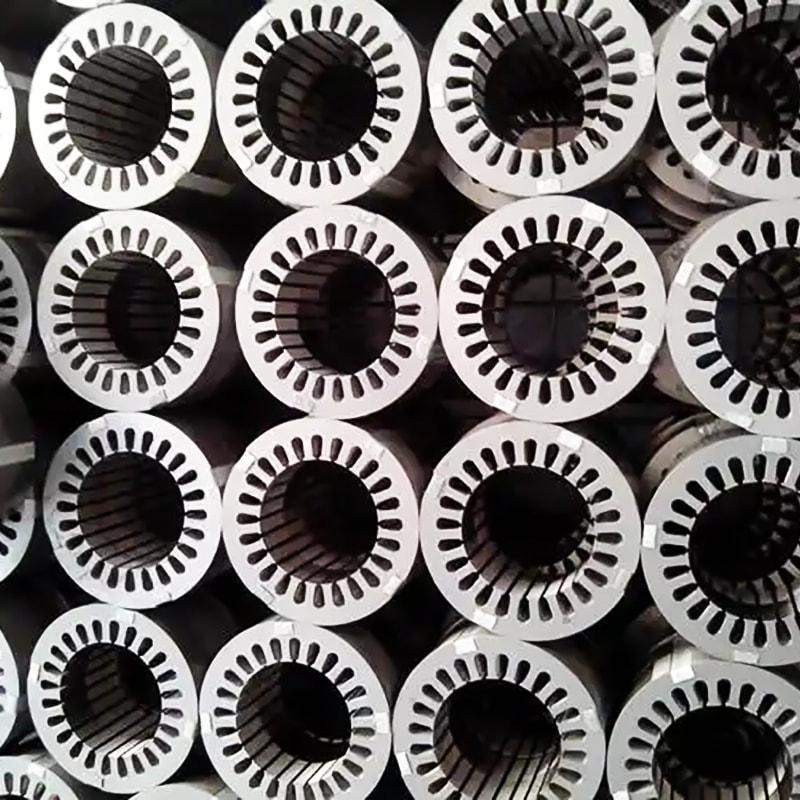
Stacking thousands of laminations into a complete core is a seemingly simple but highly technical process. The quality of stacking directly affects the motor's magnetic properties and mechanical stability.
Stacking Consistency: We use automated, intelligent stacking equipment with real-time pressure sensors to ensure the pressure on each stack is uniform and stable, achieving an optimal stacking factor.
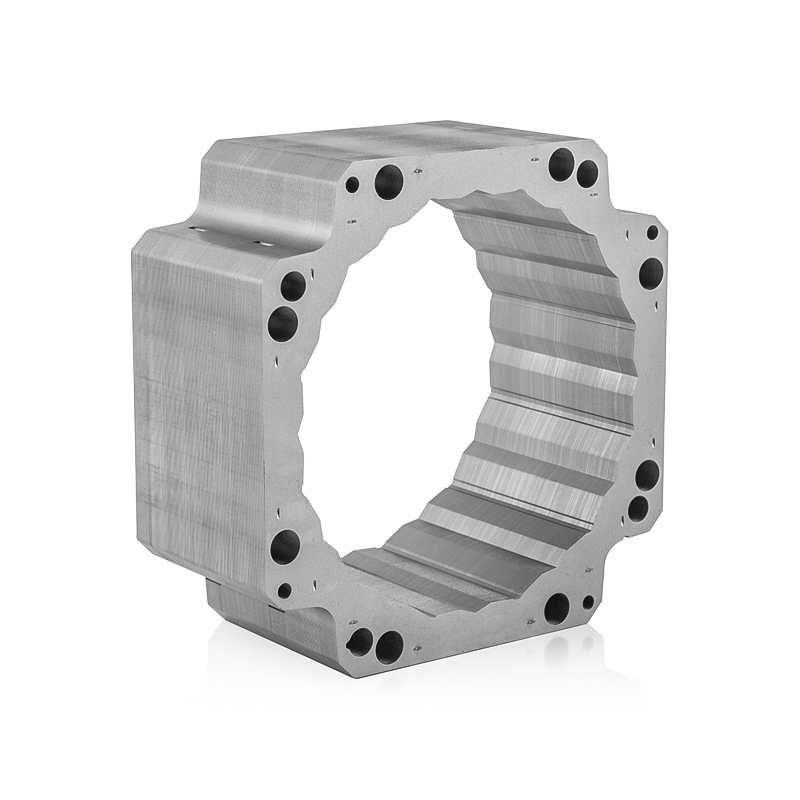
Parallelism and Perpendicularity: We use special mold structures and stacking fixtures to precisely control the perpendicularity during the stacking process, ensuring the finished core meets the client's stringent requirements.
| Parameter |
General Industry Level |
Zhejiang Jufeng Technology Co., Ltd. |
| Die Clearance |
> 0.01 mm |
≤ 0.005 mm |
| Burr Height |
30 - 50 µm |
< 20 µm |
| Stator ID Tolerance |
±0.03 mm |
±0.01 mm |
| Stator & Rotor Lamination Parallelism |
0.05 mm |
≤ 0.02 mm |
| Stacking Factor |
95% - 97% |
> 98% |
Key Focus Areas for Servo Motor Stator and Rotor Core Quality Control
Zhejiang Jufeng Technology Co., Ltd. understands that quality control of servo motor stator and rotor cores is the foundation for ensuring high performance and reliability. Our quality management system covers every stage from raw material procurement to final product delivery, with a particular focus on the following core areas:
1. Strict Screening and Control of Raw Materials
Selection of High-Grade Silicon Steel: We only select high-grade, low-loss electrical steel sheets and conduct rigorous chemical composition analysis and magnetic property testing on every batch of incoming material.
Consistency of Surface Insulation Coating: We use professional equipment to comprehensively test the thickness and insulation resistance of the coating, ensuring it is uniform and complete.
2. Quality Control of Precision Stamping and Stacking Processes
Lamination Dimensional Accuracy and Tolerance: We use an advanced online measurement system to monitor lamination dimensions in real-time, ensuring their tolerance is controlled at the micron level.
Burrs and Stamping Edge Quality: We optimize mold cutting clearance and blade sharpness to control burr height to an industry-leading level.
Stacking Factor and Parallelism: We use automated stacking equipment to precisely control stacking pressure, ensuring the core's stacking factor, end-face parallelism, and perpendicularity are optimal.
3. Defect Control in Cast Aluminum/Copper Rotors
Porosity, Shrinkage, and Cracks: We prevent these defects by optimizing casting molds, precisely controlling melting temperature, and using advanced X-ray non-destructive testing technology.
Integrity and Uniformity of Conductor Bars: We ensure that the conductor bars in the casting process are fully filled and uniform, with no fractures.
4. Key Performance Testing and Verification
Iron Loss Testing: We have professional iron loss testing equipment to perform magnetic property tests on finished cores, both dynamic and static.
Vibration and Noise Testing: We use a specialized vibration and noise testing platform to simulate motor operation and evaluate the core's mechanical performance.
| Quality Control Aspect |
General Industry Standard |
Zhejiang Jufeng Technology Co., Ltd. Standard |
| Material Testing |
General quality inspection |
Full spectrum analysis (chemical, magnetic, insulation coating) |
| Burr Height |
30-50 µm |
< 20 µm |
| Lamination ID/OD Tolerance |
±0.03 mm |
±0.01 mm |
| Stacking Factor |
95% - 97% |
> 98% |
| Stack Parallelism |
0.05 mm/stack |
< 0.02 mm/stack |
| Casting Defects |
Visual inspection, random sampling |
X-ray non-destructive testing, strict process control |
| Core Loss |
Sample testing based on standard |
Batch testing with certified equipment, traceable data |